

What WeOffer
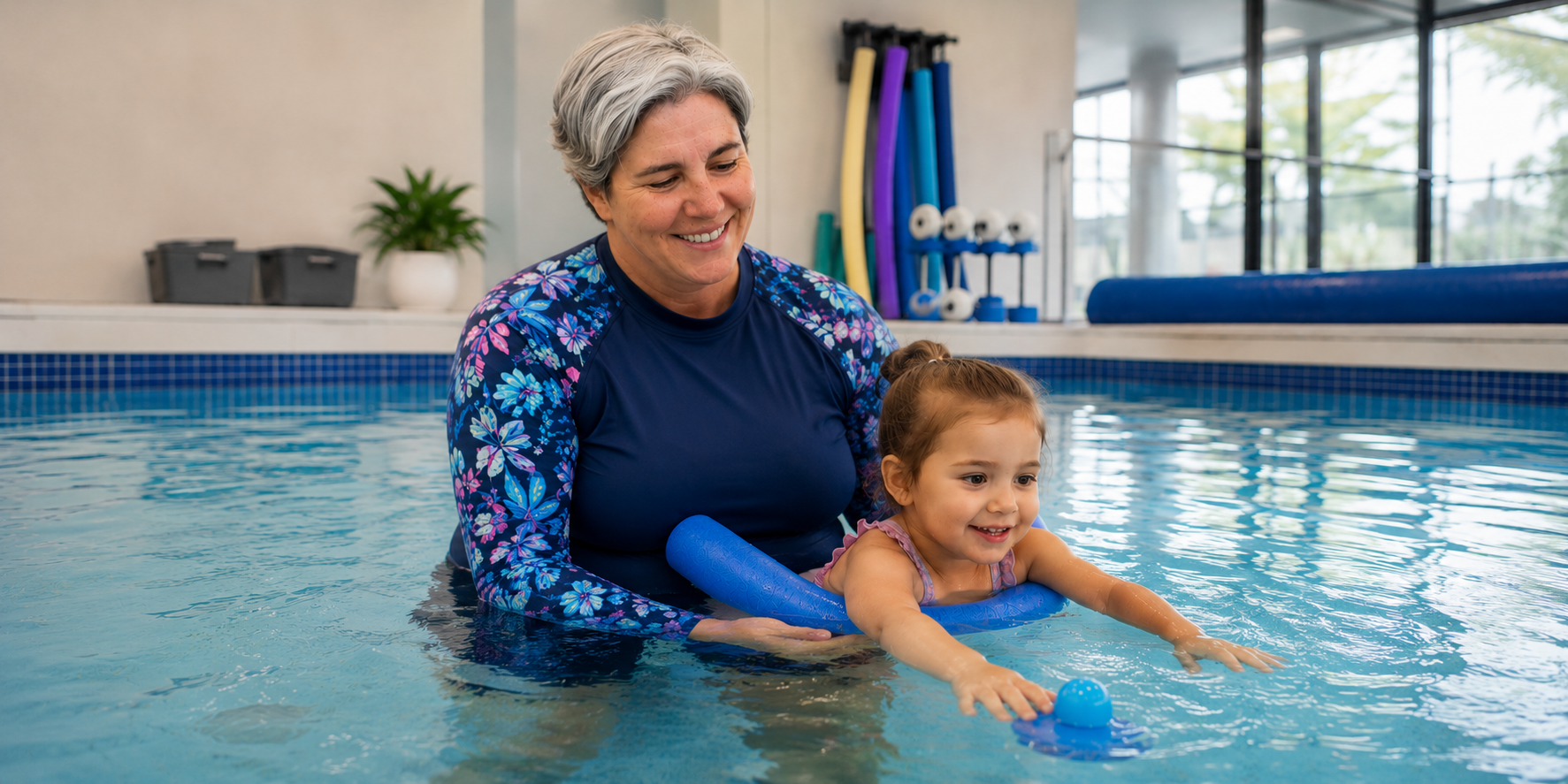
Aquatic Physiotherapy
(Hydrotherapy)
Aquatic physiotherapy is delivered in water using buoyancy and resistance to support movement in a safe and adaptable environment.
It may be particularly helpful for individuals who benefit from reduced joint load, increased support, or a different sensory experience.
Sessions are active and purposeful, supporting:
Strength and conditioning
Balance and coordination
Endurance
Confidence and familiarity in the water
Functional movement skills
Aquatic physiotherapy sessions are not swimming lessons, though water confidence and safety awareness may be incorporated where appropriate
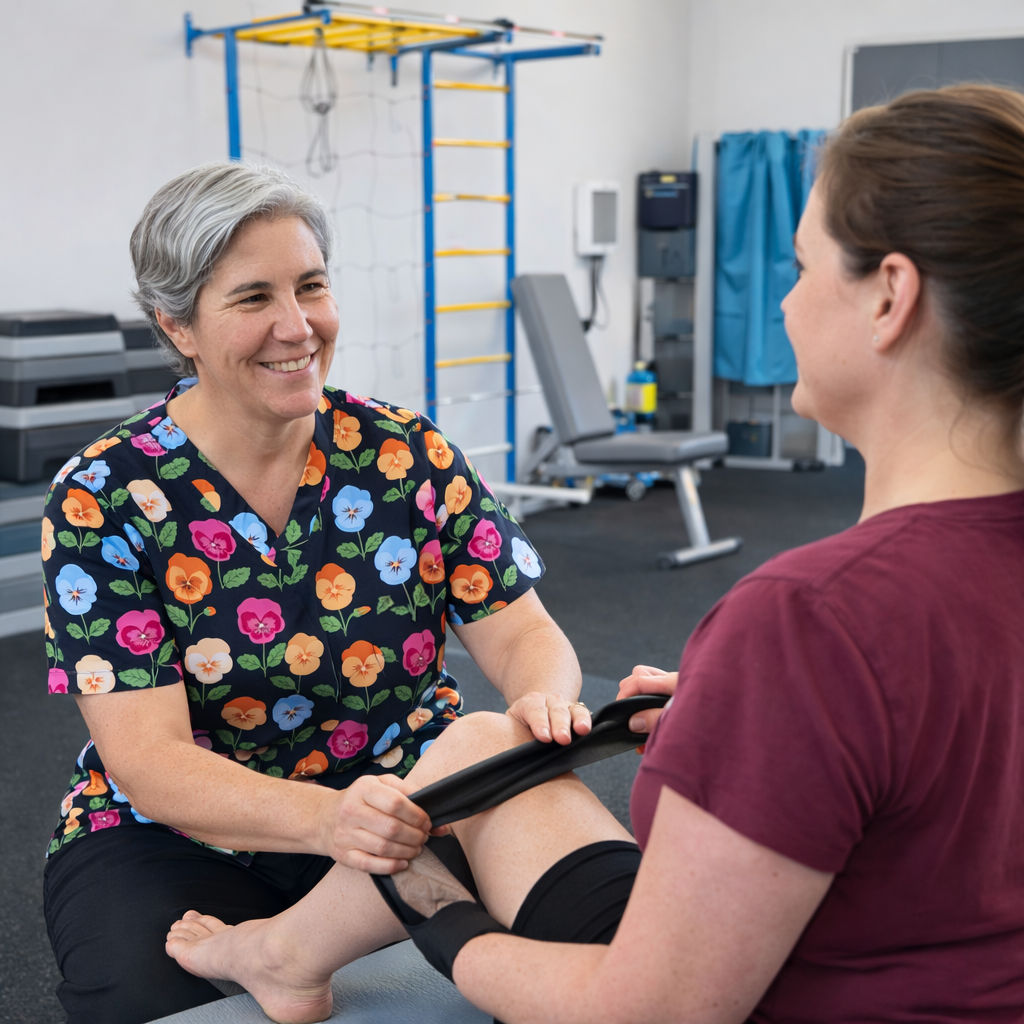
Physiotherapy
(Land‑Based)
Individualised physiotherapy focused on improving movement, strength, and participation in everyday activities.
Sessions are guided by meaningful goals and adapted to each person’s stage of life and environment.
May include:
Functional movement training
Strength and conditioning
Balance and coordination
Postural support
Guidance around equipment where appropriate

Children
& Families
Physiotherapy for children and young people who need additional support to move, exercise, and participate.
Sessions are engaging, structured, and developmentally appropriate, using a play‑based and family‑centred approach.
Support may include:
Play‑based therapy
Parent and caregiver support
Home programs
Strategies for daily routines
Goal setting and review
Group
Programs
Small‑group physiotherapy sessions delivered in pool, clinic, or gym settings.
Groups support strength, movement, confidence, and social connection through shared, guided exercise.
Group classes are delivered within a physiotherapy framework and adapted to individual needs. They are not general fitness classes.
Private
Sessions
Flexible, one‑on‑one physiotherapy tailored to your goals, preferences, and environment.
Sessions may be delivered in clinic, pool, home, or community settings.
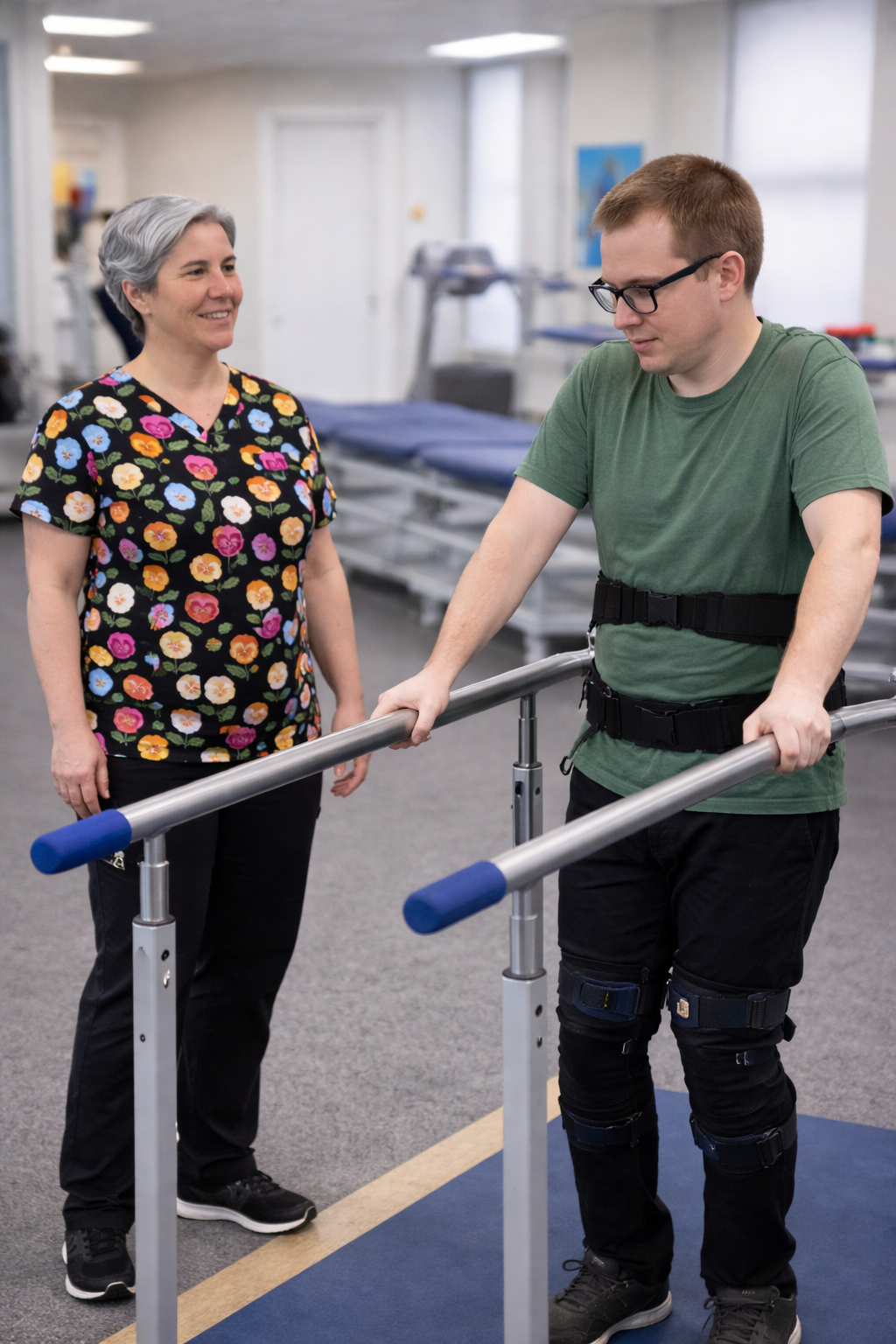
NDIS Physiotherapy Support
Services are available for self‑managed and plan‑managed NDIS participants and may include:
Assessment and therapy
Assistive technology assessment and trials
Report writing for funding, reviews, and goal planning
Collaboration with families and support networks