
Summary
Physical activity plays an important role in helping children with disabilities grow, learn, and feel confident in their bodies. From improving strength and coordination to supporting friendships, focus, and emotional wellbeing, movement has benefits that extend far beyond childhood. The key is finding activities that are enjoyable, inclusive, and suited to your child’s individual needs.
Why movement matters
For many children with disabilities, finding the right way to be active can feel challenging. But movement doesn’t have to look a certain way—what matters most is helping your child find ways to move, play, and feel good in their body.
Whether a child has a neurodevelopmental, genetic, neurological, or physical disability, regular physical activity can support development in many areas. When children are given opportunities to move in ways that feel safe and enjoyable, the benefits often extend well into adolescence and adulthood.
Physical benefits: building strength and function
Regular physical activity helps children build:
Strength and muscle control
Fitness and stamina
Balance and coordination
Everyday movement skills (like running, jumping, or climbing)
For some children, movement can also support bone health and help maintain physical function over time.
Social benefits: connection and inclusion
Being active isn’t just about physical health—it’s also about belonging.
Group activities and inclusive sports can help children:
Make friends and build relationships
Learn teamwork and communication skills
Feel included and part of a community
Develop confidence in social situations
For many children, shared movement experiences can be one of the easiest ways to connect with others.
Cognitive benefits: supporting learning and focus
Movement also plays an important role in how children think and learn.
Physical activity can support:
Attention and concentration
Memory and learning
Planning and problem-solving skills
Even short bursts of movement before school or learning tasks can help some children feel more focused and ready to engage.
Emotional benefits: confidence and wellbeing
Physical activity can have a powerful impact on emotional health.
Children who are regularly active often experience:
Improved confidence and self-esteem
A sense of achievement
Better emotional regulation
Reduced anxiety and stress
These positive experiences can build a strong foundation for overall wellbeing.
What this might look like in everyday life
You might notice:
Your child becoming more confident trying new activities
Improvements in balance and coordination at the playground
Better focus during school or daily tasks
More opportunities to connect with peers
A calmer, more regulated mood after movement
These changes are often gradual, but they can make a meaningful difference over time.
Movement looks different for every child
Physical activity doesn’t have to mean organised sport. It can include:
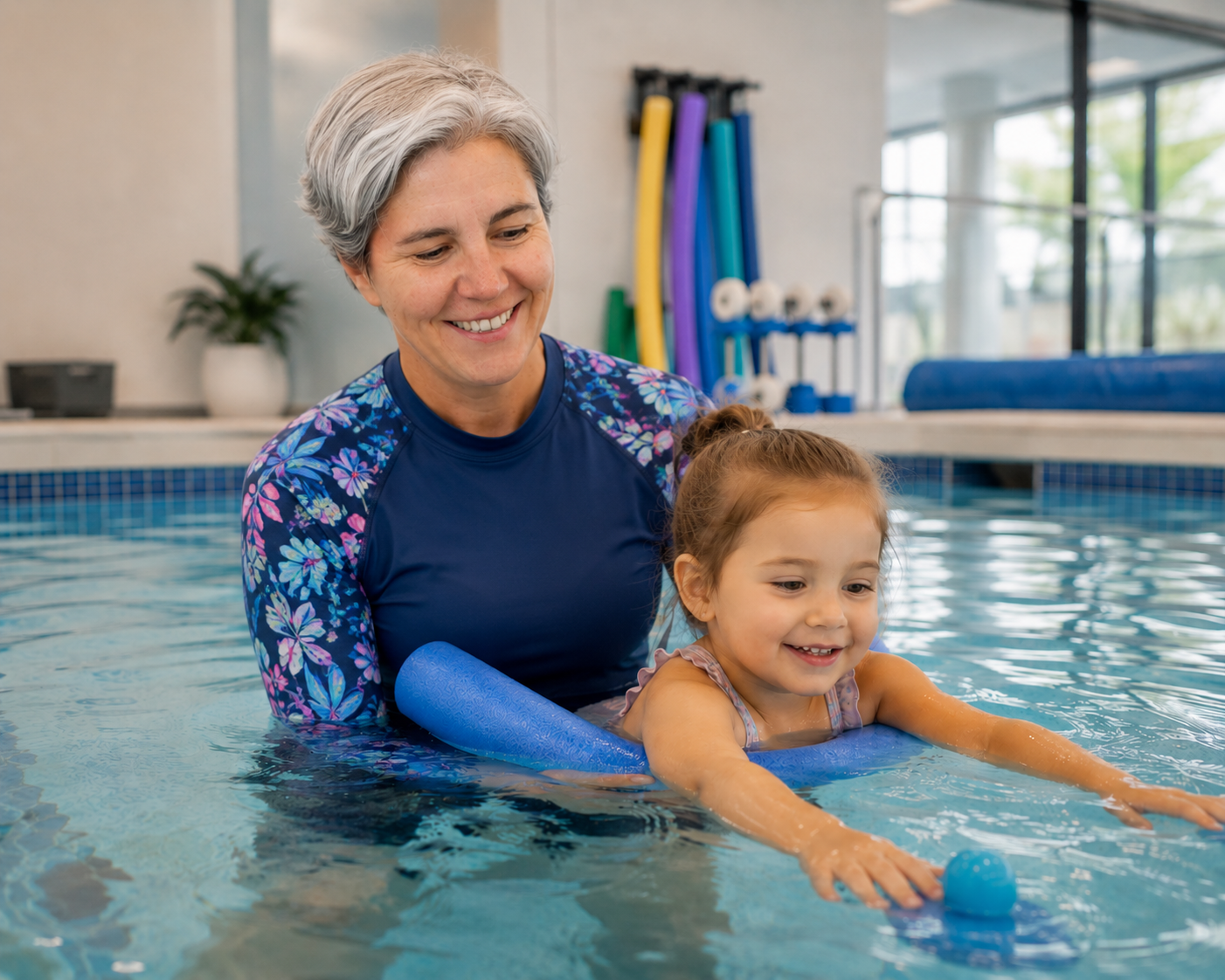
Swimming or water play
Climbing, jumping, or obstacle courses
Dancing or music-based movement
Bike riding or scooters
Structured therapy or group programs
Free play and exploration
The most important thing is finding what your child enjoys and feels comfortable doing.
Lifelong impact
Children who develop positive experiences with movement are more likely to stay active as they grow.
This can lead to:
Better long-term physical health
Greater independence
Improved mental health and wellbeing
Ongoing participation in community and recreational activities
Building these habits early can support a healthier and more connected life over time.
Finding inclusive activities in Melbourne
Supporting your child to be active can feel overwhelming at first, but there are many inclusive options available across Melbourne.
A great place to start is AAA Play, which helps families find sport and recreation activities based on location, interests, and support needs. Visit: https://aaaplay.org.au/
Other helpful options include:
YMCA Victoria – accessible swimming, gymnastics, and recreation programs https://victoria.ymca.org.au/what-we-do/inclusive-programs
Football Victoria – inclusive football programs https://www.footballvictoria.com.au/all-abilities
Special Olympics Australia – year-round sports programs for children and adults https://www.specialolympics.com.au/vic
Dance Therapy Association of Australia – movement-based programs supporting physical and emotional development https://dtaa.org.au/
Tips for getting started
Start small – try a short session or come-and-try day
Follow your child’s interests – enjoyment matters most
Ask about support – many programs offer modifications or additional assistance
Give it time – finding the right fit can take a few tries
Connect with other families – shared experiences can be incredibly helpful
Final thoughts
Encouraging physical activity in children with disabilities is not about doing things perfectly—it’s about creating opportunities for movement, connection, and confidence.
With the right support and inclusive environments, every child can find ways to move, play, and thrive.
Important note:
This information is general in nature and is not a substitute for individual assessment, diagnosis, or medical advice. Every child is unique. Families are encouraged to speak with their GP or relevant health professional to discuss their child’s specific needs.
References
Carbone, P. S., Smith, P. J., Lewis, C., & LeBlanc, C. (2021). Promoting the Participation of Children and Adolescents With Disabilities in Sports, Recreation, and Physical Activity. Pediatrics, 148(6), e2021054664.
Department of Health and Social Care. (2022). Physical activity for general health benefits in disabled children and disabled young people: rapid evidence review.
D’Amours, J., Girard, S., Miquelon, P., & Veillette, P.-L. (2025). Effects of group-based physical activity programs on children, adolescents, and young adults with disabilities: A systematic review. PLOS ONE, 20(5), e0323707.
World Health Organization. (2024). Physical activity.
Zhu, G., Chen, K., Ling, C., Zhao, P., & Guo, L. (2023). The Impact of Physical Activity on Cognitive Function in Children and Adolescents with Intellectual Disabilities: A Meta-Analysis. International Journal of Human Movement and Sports Sciences, 11(6), 1253–1265.